 FREE shipping on orders over US$200
Fiber testing often raises a common question: Should you use an OTDR or a power meter?
Although both tools measure optical performance, they serve very different purposes.
Understanding when to use each tool can save time, prevent misdiagnosis, and ensure accurate test results.
What Does a Power Meter Measure?
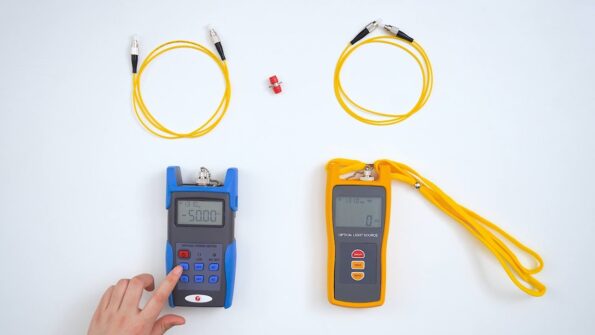
A Light Source and Power Meter (LSPM) measures total end-to-end insertion loss.
It answers one critical question:
Will this fiber link work with live transceivers?
Best use cases:
- Link acceptance testing
- Certification against power budget
- Verifying operational readiness
However, it cannot locate faults inside the link.
What Does an OTDR Measure?
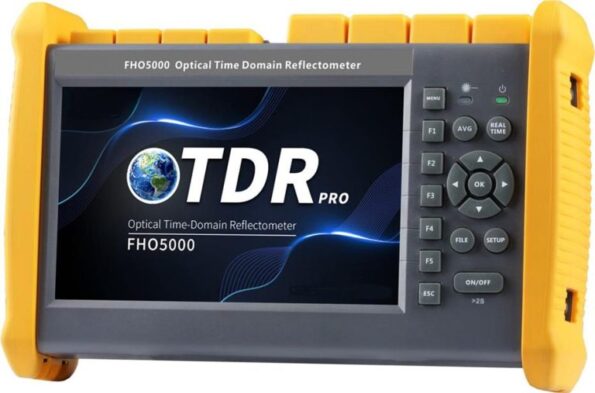
An OTDR (Optical Time Domain Reflectometer) analyzes backscattered and reflected light to create a distance-based trace of the fiber.
It answers:
Where is the problem in the fiber?
Best use cases:
- Locating breaks or bends
- Measuring individual connector or splice loss
- Long-haul and outside plant testing
Key Differences at a Glance

Which One Should You Use?
- Use a Power Meter when:
Certifying a completed link or testing patch cords - Use an OTDR when:
Troubleshooting, locating faults, or testing long cables
In professional workflows, both tools are complementary, not interchangeable.
Conclusion
A power meter validates whether a link works.
An OTDR explains why it doesn’t.
Choosing the right tool ensures faster testing, accurate diagnosis, and reliable fiber networks.