 FREE shipping on orders over US$200
Insertion Loss (IL) is one of the most fundamental performance indicators in fiber optic networks. It represents the total optical power lost when a fiber cable, connector, or assembly is inserted into a transmission link. Excessive insertion loss can lead to weak signals, increased bit errors, and even complete link failure.
Understanding what insertion loss is and how to measure it correctly is essential for network installation, acceptance testing, and troubleshooting.
What Is Insertion Loss?
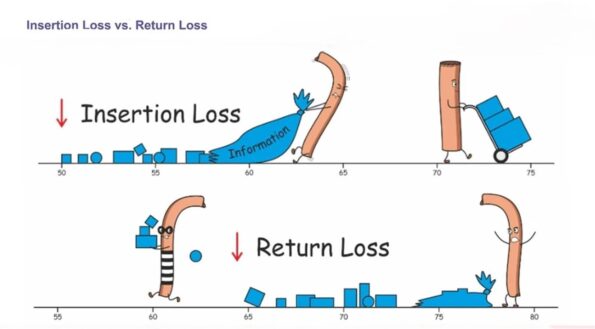
Insertion Loss is defined as the reduction in optical power between the input and output of a fiber optic link. It is expressed in decibels (dB) and calculated using the formula:
IL = –10 log (Pout / Pin)
Where:
- Pin is the input optical power
- Pout is the output optical power
Lower insertion loss values indicate better optical performance.
Typical Causes of Insertion Loss
Insertion loss is influenced by several factors, including:
- Connector end-face contamination
- Core misalignment at connector interfaces
- Poor polishing quality
- Excessive bending of fiber cables
- Mechanical splices or damaged fibers
Among these, dirty connectors are the most common cause of high insertion loss in real-world networks.
Acceptable Insertion Loss Values
Typical industry benchmarks include:
- Single LC/SC connector: ≤ 0.25 dB
- Fusion splice: ≤ 0.1 dB
- Patch cord assembly: ≤ 0.5 dB (typical)
Actual limits depend on system design and link power budget.
How to Measure Fiber Insertion Loss
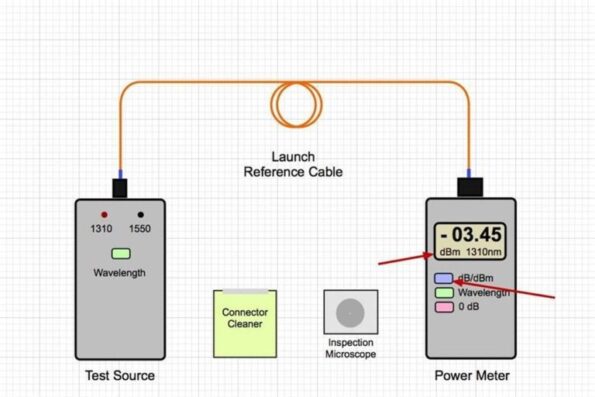
The most common and accurate method is using a Light Source and Power Meter (LSPM).
Basic measurement steps:
- Clean all connectors thoroughly
- Set a 0 dB reference using test reference cables
- Insert the link under test
- Read the loss value displayed on the power meter
This method measures end-to-end insertion loss, making it ideal for link certification.
When Is Insertion Loss Testing Required?
- New fiber link installation
- Factory testing of patch cords
- Network troubleshooting
- Periodic maintenance and audits
Conclusion
Insertion loss testing ensures that enough optical power reaches the receiver for reliable transmission. Accurate measurement and proper connector handling are essential for maintaining network performance and long-term stability.