 FREE shipping on orders over US$200
The fusion splicer electrode is the heart of any fiber optic fusion splicer, responsible for creating the precise electric arc that fuses glass fibers together. For technicians using Fujikura machines, understanding how to maintain and replace this core component is critical. This guide delves into the importance of the fusion splicer electrode, the specific benefits of choosing genuine Fujikura electrodes, and the best practices for replacement and maintenance to ensure optimal splice quality and machine longevity.
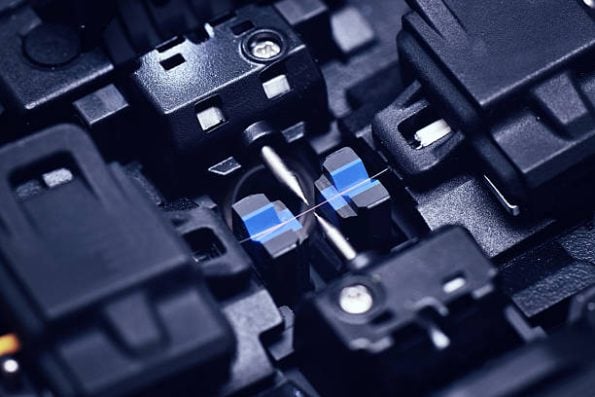
Why Fusion Splicer Electrode Timely Replacement is Non-Negotiable
The condition of this component directly dictates your splicing results. Regular replacement is a small investment with significant returns:
- Guarantees Consistent Splice Quality: A new unit produces a stable and clean arc, leading to perfectly aligned fusions with minimal signal loss. Worn ones cause erratic arcs, increasing loss and creating weak points that may fail.
- Boosts On-Site Productivity: Reliable performance minimizes failed splices and rework. When this part is in top condition, your workflow remains efficient, saving valuable time during critical field deployments.
- Protects Your Splicer Investment: A degraded part forces the machine to work harder, potentially damaging sensitive internal circuits. Proactive maintenance protects your larger equipment investment.
Selecting the Right Replacement Part
While generic options exist, choosing components designed for your specific splicer model, such as genuine Fujikura replacements, offers distinct advantages:
- Perfect Compatibility and Performance: Model-specific parts are engineered to meet exact electrical and physical specifications. This ensures perfect arc calibration and preserves the machine’s factory-level precision.
- Assured Quality and Reliability: Using authentic components eliminates the risk of fit issues or performance inconsistencies, guaranteeing results and avoiding potential damage.
- Optimized Workflow: With the correct part, the replacement process is seamless, and the splicer can perform a quick and accurate arc calibration, getting you back to work faster.
Recognizing the Signs of Wear
Knowing when to replace this consumable is key to proactive maintenance. Consider a replacement when you observe:
- Rising or unstable splice loss estimates.
- Visible deformation or blackening on the component’s tips.
- A deformed or bubbly splice point under the microscope.
- The machine displays “Electrode End” or similar maintenance warnings.
Best Practices for Replacement and Care
The Replacement Process:
The process is generally universal. After powering off the device, simply remove the old one, clean the holder with isopropyl alcohol, and insert the new unit—ensuring it is fully seated in the carriage. The crucial final step is always to perform an arc calibration to synchronize the splicer with the fresh component.
Extending Service Life:
- Clean Regularly: Gently clean the tips every few hundred splices with a dedicated cleaner to remove carbon buildup.
- Handle with Care: Always wear gloves when handling new parts to prevent oil contamination from skin.
- Use Quality Parts: Invest in high-quality, compatible components to ensure performance and protect your equipment in the long run.
Conclusion
The fusion splicer electrode is a fundamental consumable that dictates your splicing success. For equipment owners, selecting purpose-built replacements is the most reliable way to maintain the precision your work demands. By understanding its role and adhering to a disciplined maintenance schedule, you ensure the highest quality splices and maximize the return on your technical investment.